
low iron ultra clear glass
Understanding Screw Thread Gauges An Essential Tool for Precision Engineering In the world of industrial manufacturing, precision is paramount. Each component must fit perfectly to ensure the functionality and safety of the overall assembly. One of the crucial instruments that aid in achieving such precision is the screw thread gauge. This article delves into the significance, types, and applications of screw thread gauges in various industries. A screw thread gauge, often referred to as a thread gauge or thread measuring tool, is a device used to measure the pitch and diameter of screw threads. These gauges are essential for verifying the accuracy of threaded parts and ensuring they conform to the specifications set forth by industry standards. In many applications, an incorrect thread can lead to manufacturing failures, equipment malfunctions, and safety hazards. Screw thread gauges come in various forms, each designed to serve specific purposes. The most common types include 1. Go/No-Go Gauges These gauges help determine if a thread is within specified tolerances. The 'Go' gauge checks if the thread can accept a standard screw, while the 'No-Go' gauge ensures that the thread is not too loose or oversized. This binary approach simplifies the measurement process, allowing for quick checks on thread accuracy. 2. Thread Pitch Gauges These devices consist of a series of blades, each with a different tooth spacing, which helps measure the pitch of the thread quickly. By aligning the appropriate blade with the thread, an engineer can easily determine the pitch, which is the distance between threaded ridges. 3. Plug and Ring Gauges Used for more precise measurements, these gauges help determine internal and external thread dimensions. Plug gauges are inserted into a threaded hole to check internal dimensions, whereas ring gauges are placed over external threads. This type of measuring tool is essential in quality control processes. screw thread gauge 4. Calipers and Micrometers Although not exclusively thread gauges, these tools are often used in conjunction with screw thread gauges for more detailed measurements . Calipers allow for broad measurements of diameter, while micrometers provide high precision in measuring small dimensions. The applications of screw thread gauges extend across a multitude of industries. In automotive manufacturing, for instance, screws and bolts are critical components in engine assembly. A slight deviation in thread dimensions can result in engine failure. Hence, manufacturers rely on thread gauges to ensure each component meets stringent specifications. Similarly, in aerospace engineering, where safety is non-negotiable, screw thread gauges are indispensable. Every component, from landing gears to fuel systems, requires precise threads to maintain structural integrity and performance. Inadequate measurements can result in catastrophic failures, emphasizing the importance of these gauges. In the realm of electronics, screw thread gauges help ensure that fasteners used in devices like smartphones and tablets fit securely. As technologies shrink and components become more delicate, the demand for precision has never been higher. The construction industry also benefits from screw thread gauges, especially in the assembly of structural components where bolts with specific thread characteristics are employed to ensure durability and safety. In conclusion, screw thread gauges are essential tools that underpin the quality and reliability of threaded components across various industries. Their ability to ensure precise measurements fosters a culture of safety and efficiency, allowing manufacturers to produce high-quality products. As industries continue to advance, the importance of accurate measurement tools like screw thread gauges will remain critical in meeting the demands of modern engineering and manufacturing standards.
about
low iron ultra clear glass
The Importance of Small Hole Measuring Gauges in Precision Engineering In the realm of precision engineering, the measurement of small holes is a critical aspect that can significantly influence the quality and performance of various components. Among the tools utilized for this purpose, small hole measuring gauges play an essential role. These specialized instruments are designed to offer accurate and reliable measurements of small diameters, which can be challenging to measure with standard tools. Small hole measuring gauges come in various forms, including dial gauges, electronic gauges, and mechanical plug gauges. Each type has its unique advantages, catering to different requirements in manufacturing and quality assurance processes. The primary function of these gauges is to assess the diameter of holes ranging from a few millimeters to down to microns, making them invaluable in industries such as aerospace, automotive, and medical device manufacturing, where precision is paramount. One of the most significant benefits of using small hole measuring gauges is the reduction of errors in measurement. Traditional measuring tools can often lead to discrepancies, particularly when dealing with tiny dimensions. Small hole gauges are engineered specifically to mitigate these issues . For instance, plug gauges can provide a go/no-go measurement method, ensuring that a hole meets specific tolerances without ambiguity. This level of precision is crucial, as even minor deviations in hole size can affect the assembly and functioning of parts. small hole measuring gauge Moreover, small hole measuring gauges are designed to be user-friendly, often incorporating features that streamline the measurement process. For example, digital gauges may offer instant readings and the ability to store data for further analysis, enhancing efficiency in quality control processes. Additionally, many of these instruments are portable and easy to use, allowing engineers and technicians to conduct inspections on the shop floor, thus saving time and minimizing the need for transport to a dedicated measurement lab. The material quality of the gauges themselves is also a significant consideration. High-grade materials ensure durability and resistance to wear over time, which is essential in maintaining accuracy through numerous uses. Moreover, regular calibration and maintenance are necessary to uphold the precision of these instruments, ensuring they continue delivering reliable measurements. In conclusion, small hole measuring gauges represent an indispensable tool in precision engineering. Their ability to provide accurate, reliable measurements of tiny diameters is pivotal in maintaining product quality and performance across various industries. As technology advances, the development of these gauges continues to evolve, further enhancing their accuracy and ease of use. Investing in high-quality small hole measuring gauges is, therefore, a critical step for any organization committed to excellence in manufacturing processes.
-

High quality industrial productsagement

High quality industrial products
View Details -

Meet the diverse needs of customers

Meet the diverse needs of customers
View Details -

Strict quality control

Strict quality control
View Details -

Top raw materials

Top raw materials
View Details -

Trusted supplier

Trusted supplier
View Details
Our application

news and information
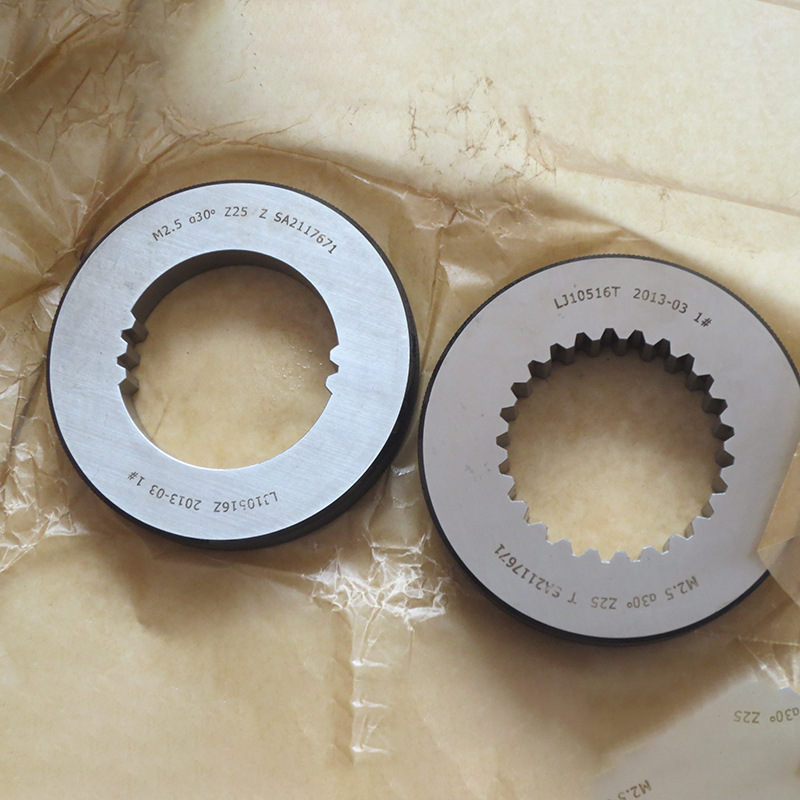
Using Tapered Plug Gauges for Precision Measurement and Quality Control in Manufacturing
Understanding Taper Plug Gauges and Their Applications In precision engineering and manufacturing, e
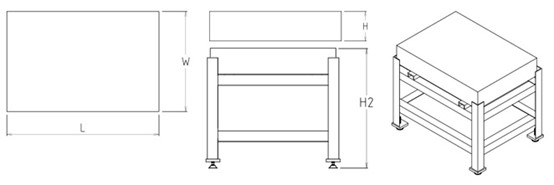
Water Pressure Control Valve for Efficient Regulation and System Protection
Understanding Water Pressure Reduction Valves Water pressure reduction valves (PRVs) are essential c
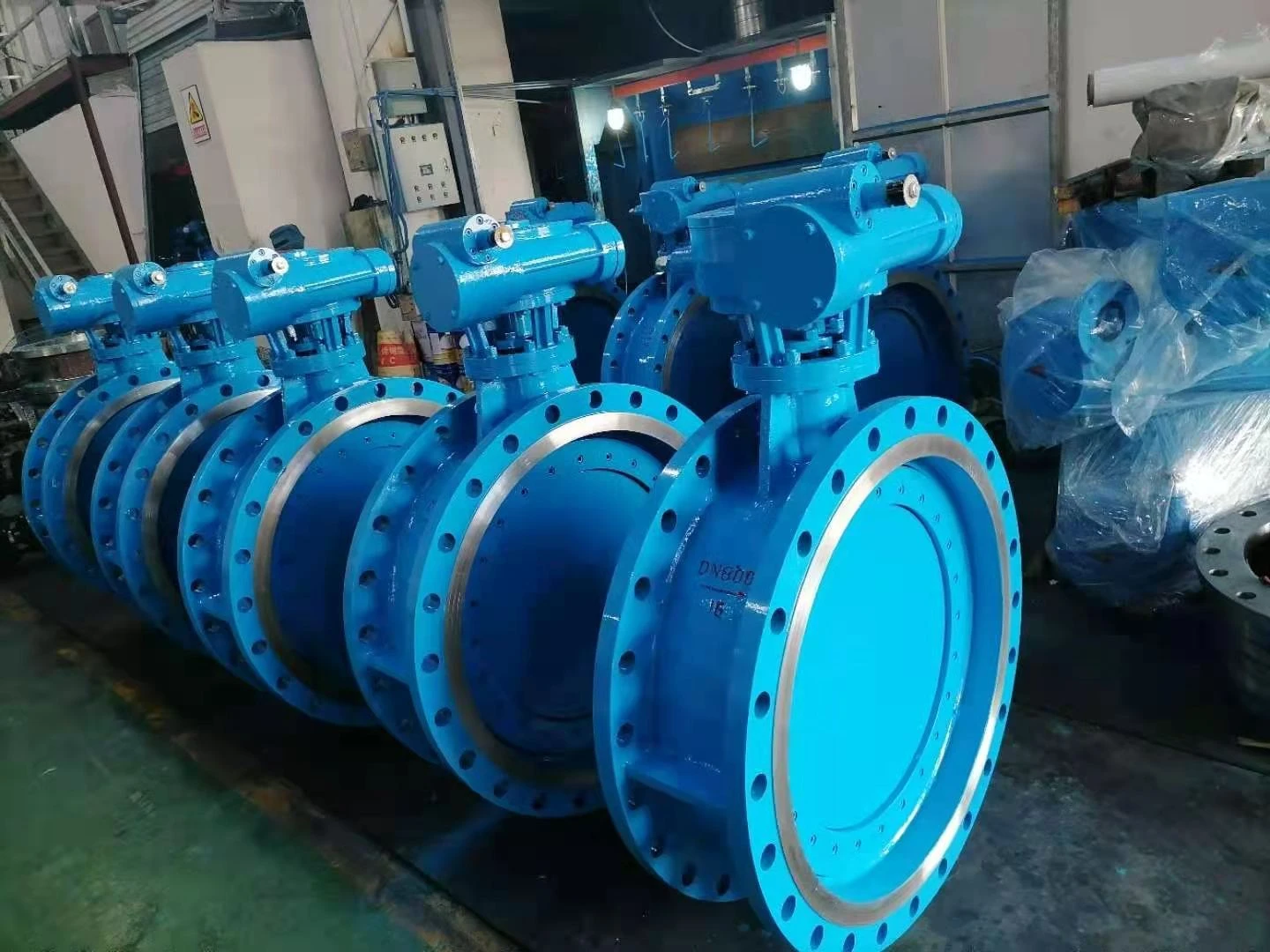
valve water
Understanding Valve Water The Key to Efficient Water Management Water is one of the most vital resou
 English